
- Integrated sewag...
- Dental clinic se...
- Laboratory sewag...
- Waste gas treatm...
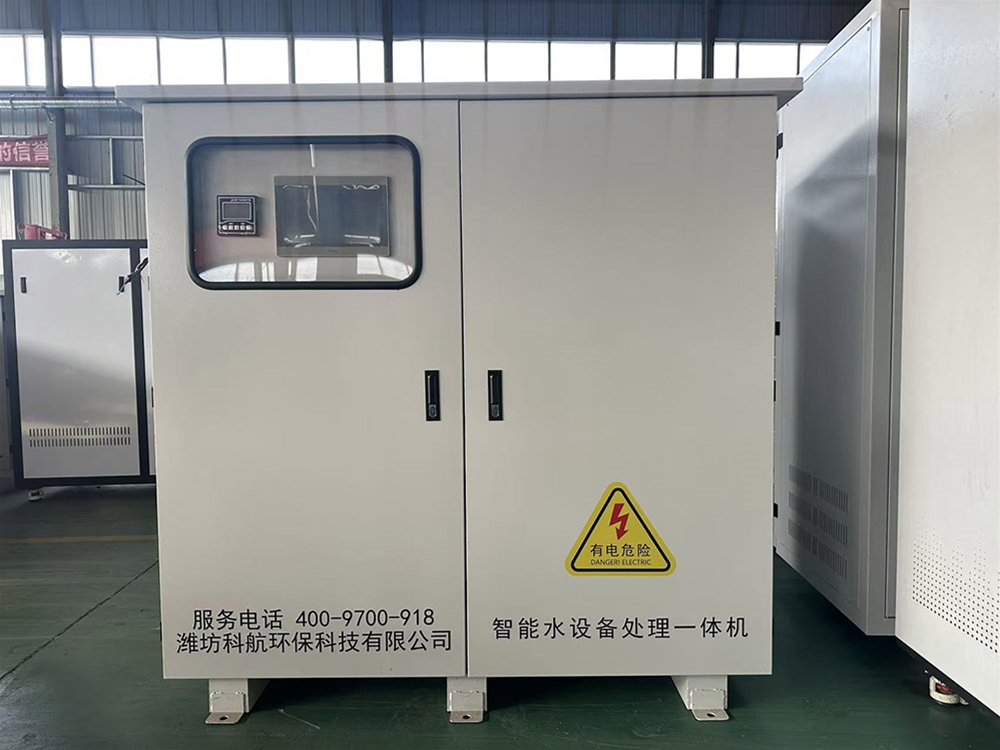
Laboratory sewage treatment equipment
Details
1.1 Project Introduction
At present, the experimental wastewater generated by middle school laboratories, especially chemistry and biology laboratories, is mostly discharged directly, which can cause pollution to the environment and harm the health of surrounding residents, especially teachers and students.
By analyzing the sources and water quality characteristics of high school laboratory wastewater, the necessity of treating high school laboratory wastewater is clarified, and effective treatment plans are proposed for this type of wastewater.
1Introduction to Experimental Wastewater in Middle School
According to the teaching syllabus of middle school textbooks,High school experimental wastewaterMainly consisting of chemical laboratory wastewater and a small amount of biological laboratory wastewater, chemical laboratory wastewaterwatermainly includeThe wastewater generated from the experimentExcess samples, standard curves, sample analysis residues, failed or washed solutions, and a large amount of washing water, etc,The specific chemical experiments and main pollutants are as follows:
1) Experimental content
The chemistry laboratory mainly conducts inorganic reactions such as combustion experiments, neutralization reactions, oxidation-reduction reactions, precipitation reactions, as well as combustion, esterification, substitution, color reactions of small amounts of organic matter;
The biology laboratory mainly conducts simple biology teaching, observing the appearance of small animals and a small amount of anatomical observation, observing plant morphology, etc.
The main experimental contents that generate pollution sources are as follows:
Purification of coarse salt, testing of sulfate ions, distillation, extraction, electrolysis of water, preparation of solutions, testing of colloid properties, ion reactions, physical properties of sodium, combustion of sodium, reaction between sodium and water, heating of aluminum foil, reaction between iron powder and water vapor, reaction between aluminum and hydrochloric acid, reaction between sodium hydroxide, reaction between sodium peroxide and water, testing of properties of sodium carbonate and sodium bicarbonate, flame reaction, preparation of aluminum hydroxide, bisexuality of aluminum hydroxide, generation of iron hydroxide and ferrous hydroxide, testing of iron ions, conversion of iron ions and ferrous ions, preparation of silicic acid, combustion of hydrogen in chlorine gas, bleaching of chlorine water, bleaching experiment of dry chlorine gas, testing of chloride ions, solubility of sulfur dioxide in water, absorption of nitrogen dioxide by water Fountain experiment of ammonia dissolved in water The reaction between concentrated sulfuric acid and copper and a small amount of organic experiments.
2) Commonly used drugs (data source:JY/T 0386-2006 and JY/T 0406-2010 Standards for Equipping Science Teaching Instruments in Junior and Senior High Schools
A: Generally inorganic
Aluminum sheet, aluminum foil, zinc granules, iron powder, copper wire, zinc sheet, iodine, aluminum oxide, manganese dioxide, ferric oxide, potassium chloride, sodium chloride, calcium chloride, magnesium chloride, ferric chloride, copper chloride, ammonium chloride, potassium bromide, sodium bromide, copper bromide, potassium iodide, anhydrous sodium sulfite, potassium sulfate, sodium sulfate, aluminum sulfate, iron sulfate, ferrous sulfate, anhydrous copper sulfate, manganese sulfate, ammonium sulfate, zinc sulfate, aluminum potassium sulfate (alum), ferrous ammonium sulfate, ammonium molybdate, potassium carbonate, sodium carbonate, sodium bicarbonate, ammonium bicarbonate, sodium silicate, sodium thiosulfate
B: Generally organic
sodium acetate anhydrous、Ammonium oxalate、paraffin oil、glucose、sucrose、glycerol、soluble starch、vegetable oil、Benzidine
C: Indicator organic dye
phenolphthalein、Methyl Orange、Methylene Blue、magenta、Magnesium reagent、Aluminon、Diphenylthiocyanate, test paper, filter paper
D:Flammable liquid、solid
acetaldehyde、acetone、benzene、toluene、ethyl acetate、absolute ethanol、Sodium, potassium, magnesium strips
E: Oxidants and toxic substances
Sodium peroxide, potassium chlorate, potassium permanganate, ammonium nitrate, potassium dichromate, silver nitrate, sodium nitrite, barium chloride, barium hydroxide, carbon tetrachloride, lead acetate, bromoethane, oxalic acid, benzoic acid
F: Corrosive products
Nitric acid, sulfuric acid, hydrogen peroxide, bromine, aluminum chloride, hydrochloric acid, acetic acid, alkali lime, phenol, formaldehyde, sodium hydroxide, ammonia water, sodium sulfide, sodium hydroxide, calcium hydroxide
3) Investigation results of wastewater and waste liquid generated in junior high school chemistry and biology laboratories (data source: Education Equipment Center)
|
Grade 1 Chemistry |
|||
|
serial number |
Approximate time |
content |
Waste liquid pollutants |
|
1 |
early September |
extraction |
carbon tetrachloride(Organic), producing slight toxicity |
|
2 |
Mid to late September |
colloid |
Trivalent iron, divalent copper, and heavy metal production |
|
3 |
Under September |
ionic reaction |
acid-base |
|
4 |
In the first and middle of November |
Sodium, aluminum |
alkaline waste liquid |
|
5 |
Mid to late November |
Sodium, chlorine |
acid-base waste liquid |
|
6 |
Under November |
iron salt |
Acid alkali waste liquid, trivalent iron, and heavy metal production |
|
7 |
In December |
chlorine |
Chlorine gas, silver ions, acidic waste liquid, production of heavy metals |
|
8 |
In the first and middle of December |
sulfur dioxide |
Acidic waste liquid, harmful gases |
|
9 |
Mid to late February |
Periodic rate of sodium and potassium |
alkaline waste liquid |
|
10 |
Mid to late February |
halogen |
Acidic waste liquid, organic waste liquid, bromine (toxic, oxidant) (similar to carbon tetrachloride, producing slight toxicity) |
|
11 |
In February |
metallic property |
acidic waste liquid |
|
12 |
In the first and middle of March |
Sodium and Chlorine (Demo) |
Acidic waste liquid, harmful gases |
|
13 |
Mid to late March |
Chemical energy and thermal energy |
Acid alkali waste liquid, harmful gases, barium ions Generate heavy metals |
|
14 |
In April |
primary cell |
Acid (recycling and reuse), zinc ions, production of heavy metals |
|
15 |
In May |
ethylene |
Organic waste liquid, producing micro toxicity |
|
16 |
In May |
benzene |
Benzene (organic waste liquid), generates toxic waste liquid |
|
17 |
In the first and middle of May |
Ethanol, acetic acid |
organic waste liquid |
|
高二 |
|||
|
1 |
Mid to late September |
acetylene |
alkaline waste liquid |
|
2 |
Under September |
toluene |
Benzene, toluene (organic waste liquid), and toxic waste liquid generated |
|
3 |
Mid October |
ethanol |
Acidic waste liquid, chromium (heavy metal) containing waste liquid, and production of heavy metals |
|
phenol |
Phenolic waste liquid (organic) and toxic waste liquid generated |
||
|
4 |
Mid October |
silver mirror reaction |
Silver ions, production of heavy metals |
|
5 |
Mid November |
silver mirror reaction |
Same as above, producing heavy metals |
|
6 |
Mid to late November |
Protein denaturation |
Heavy metals such as lead and barium9 Metals, producing heavy metals |
|
Mid March |
heat of neutralization |
acid-base waste liquid |
|
|
7 |
At the end of March and the beginning of April |
reaction rate |
dilute sulfuric acid |
|
8 |
In early and mid April |
Factors affecting reaction rate |
Manganese ions, dilute sulfuric acid, and the production of heavy metals |
|
9 |
Mid to late April |
chemical equilibrium |
Acid alkali waste liquid, chromium containing waste liquid, and heavy metal production |
|
In the first and middle of May |
Weak electrolyte |
acidic waste liquid |
|
|
third year of junior high school |
|||
|
1 |
early September |
Magnesium strip and dilute hydrochloric acid |
A small amount of hydrochloric acid |
|
2 |
Mid to late October |
molecular motion |
A small amount of ammonia water |
|
3 |
In the first and middle of November |
Energy variation |
Barium ions, exhaust gas, and the production of heavy metals |
|
4 |
In the first and middle of December |
Production of carbon dioxide |
A small amount of hydrochloric acid |
|
5 |
Mid to late December |
Chemical properties of metals |
acidic waste liquid |
|
6 |
From April to mid April |
acid and base |
Acid and alkali waste liquid |
|
High School Biology |
|||
|
|
Approximate time |
content |
waste liquid |
|
1 |
Mid October (Grade 2) and mid November (Grade 1) |
Chlorophyll extraction and separation |
acetone |
|
2 |
Mid to late October (second year of high school), late November (first year of high school) |
Alcohol monitoring |
Chromium, a small amount of sulfuric acid, and the production of heavy metals |
|
3 |
December |
mitosis |
hydrochloric acid |
|
4 |
December |
The relationship between cell surface area and volume |
Sodium hydroxide, alkaline |
|
|
Junior High School Biology |
||
|
1 |
Under November |
photosynthesis |
Sodium hydroxide, alkaline |
4) Main pollutants
The main pollutants are common acids, bases, salts, as well as small amounts of heavy metal ions and organic matter.
2.2.1 Inlet waterrequirement
Compliant with《Various types of washing wastewater that are not classified as hazardous waste according to the GB5085-2007 Identification Standards for Hazardous Waste;
Compliant with《Classification criteria for 175 laboratory wastewater in HJ520-2009 Wastewater Classification Code (excluding laboratory waste liquid);
Compliant with《The relevant indicators in the classification table of water pollutants and related indicators in HJ520-2009 Wastewater Classification Code.
2.2.2 Outlet water qualityThe determination
Design effluent quality:According to the characteristics of water quality, the designed effluent quality of this project reachesNeutralization and Discharge Standards for Water Pollutants in Beijing (Local Standards in Beijing)DB11-307-2013)And《GB18466-2005 Discharge Standards for Water Pollutants in Medical Institutions》Table 2 Water pollutant emission limits for comprehensive medical institutions and other medical institutions (Daily average), mainly outputThe water quality standards are shown in the following table:
|
project |
CODCr (mg/L) |
BOD5 (mg/L) |
Fecal coliform microbiota (MPN/L) |
SS (mg/L) |
pH (无量纲) |
ammonia nitrogen(mg/L) |
|
water outletwater quality |
<250 |
<100 |
5000 |
60 |
6~9 |
45 |
2.3 Sewage treatment process
2.3.1 Principles for selecting sewage treatment processes
Based on the characteristics of this type of wastewaterThe selection of sewage treatment processes in this plan follows the following approach:
1. The construction of this project aims to protect the environment, conserve water resources, and improve the living environment.
2. Fully leverage the social, environmental, and economic benefits of construction projects.
3. Strictly implement relevant national regulations to ensure that all water quality indicators meet the prescribed water quality standards.
4. The design must comply with applicable requirements.
The selected treatment process, main equipment, design standards, and data should meet the needs of use to the maximum extent possible to ensure wastewater treatmentequipmentImplementation of functions.
2.3.2 Selection of Processing Techniques
Based on the characteristics of the inflow water quality and the requirements for the outflow water quality of this type of sewage, the main process of this sewage treatment adopts
|
serial number |
Material Name |
Specification Model |
unit |
Quantity per use |
Change time |
|
1 |
PAC |
PAC |
kg |
2.5 |
Based on actual usage |
|
2 |
Heavy metal chelating agent |
ZM |
kg |
2.5 |
Based on actual usage |
|
3 |
citric acid |
P |
kg |
2.5 |
Based on actual usage |
|
4 |
alkali |
H |
kg |
2.5 |
Based on actual usage |
|
5 |
filter bag |
4th bag PE5 microns in length 410 |
a |
1 |
1-3 times per year |
|
6 |
ultrafiltration |
HM90 |
branch |
1 |
1 year |
|
7 |
Multi functional filler |
4-8mm |
kg |
16 |
1 year |
|
8 |
Acid base probe |
10 meters |
only |
1 |
3 months to 1 year |
1) Strictly follow the requirements andISO9001 Quality Management SystemRequire design and production to ensure that the performance and technical specifications of the equipment meet customer requirements, and to ensure stability during equipment operation;
2) Establish a dedicated oneCustomer computer filesRegularly conduct telephone follow-up or on-site tracking services for customers, and record and archive various relevant information during the operation of the equipment;
3) Provide
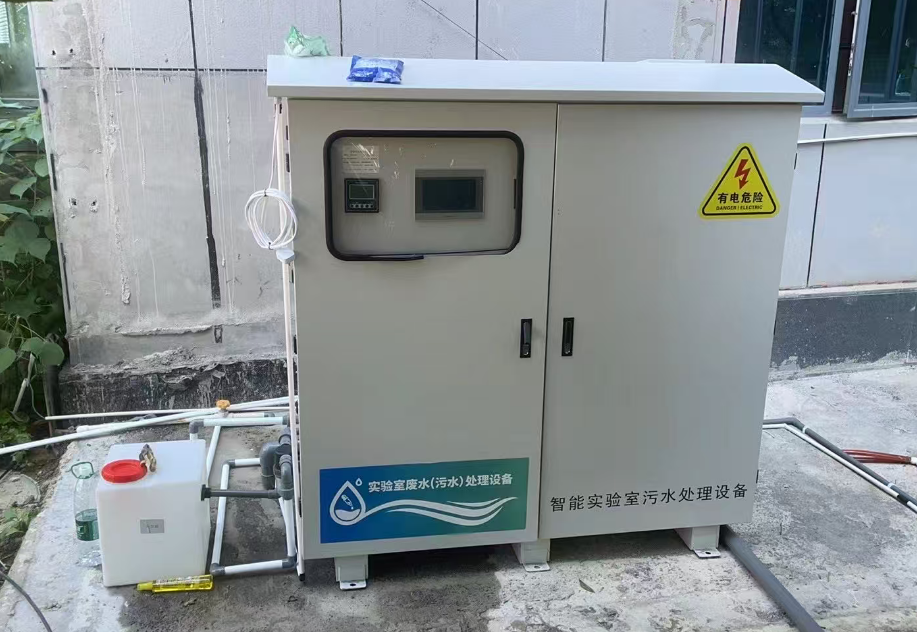
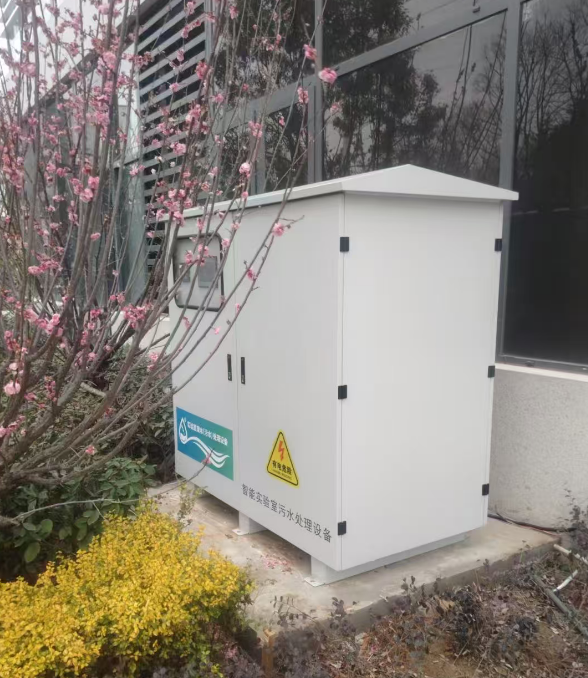
School laboratory sewage treatment equipment University laboratory sewage treatment system
CONTACT US
Weifang Kehang Environmental Protection Technology Co., Ltd
Headquarters Address: No. 18 Changqing Street, Junbukou Industrial Park, Weicheng District, Weifang City, Shandong Province
Headquarters phone number: 0086 18905367584/13869601795
Service Hotline: 0086-536-2259698/0536-8803882
National complaint hotline: 400-9700918

Scan to follow WeChat official account