
- Integrated sewag...
- Dental clinic se...
- Laboratory sewag...
- Waste gas treatm...
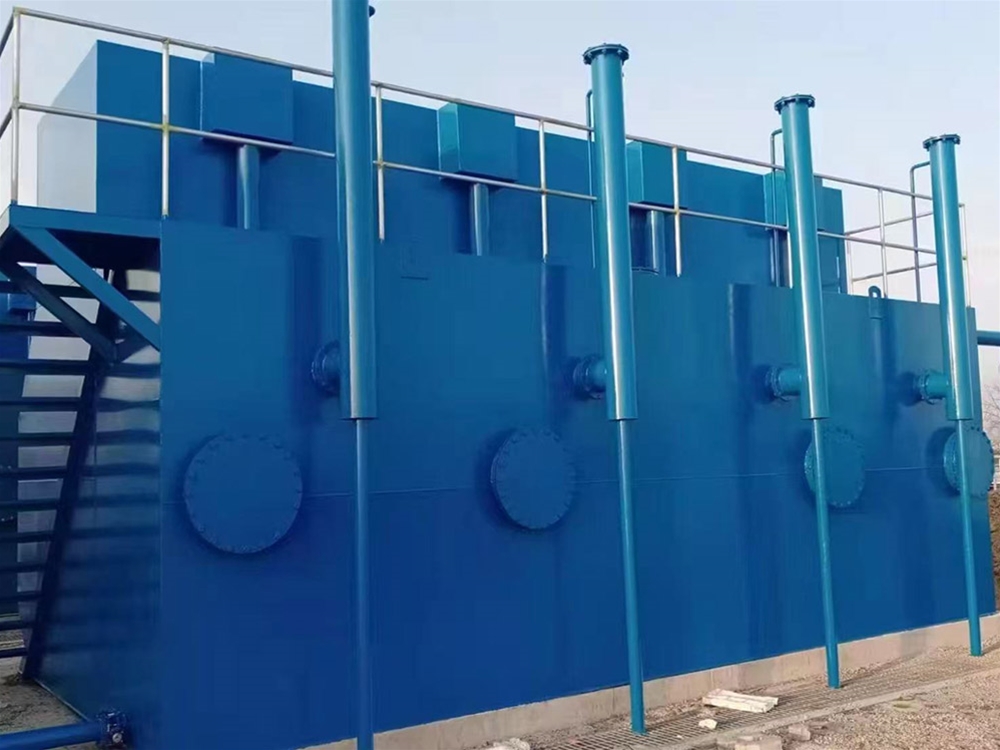
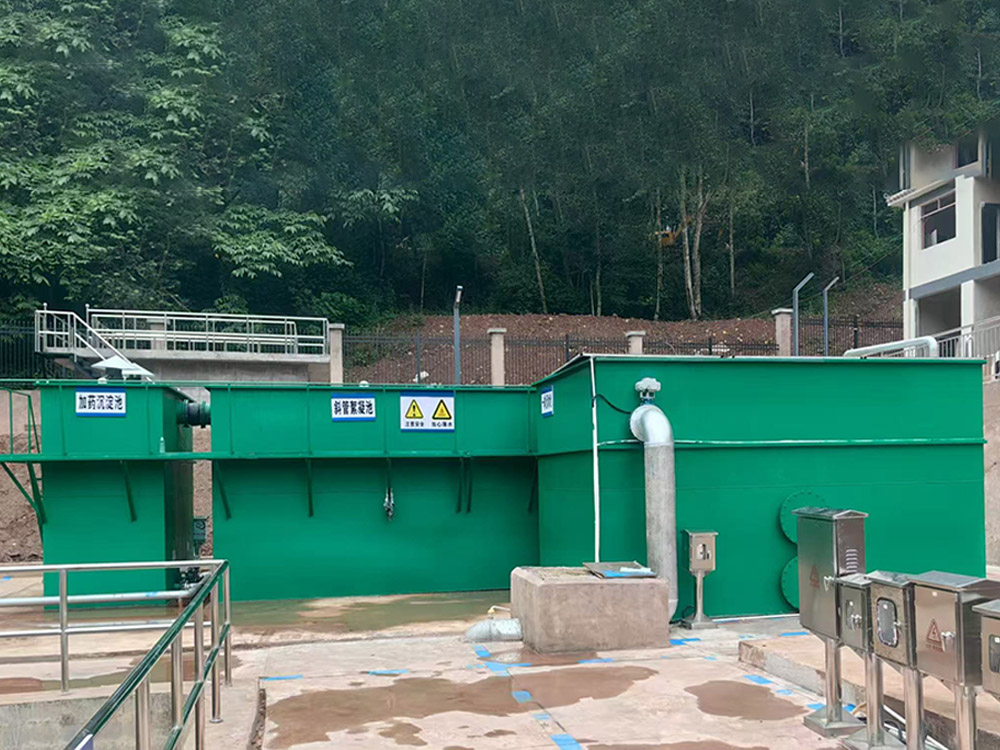
Integrated sewage treatment equipment
Details
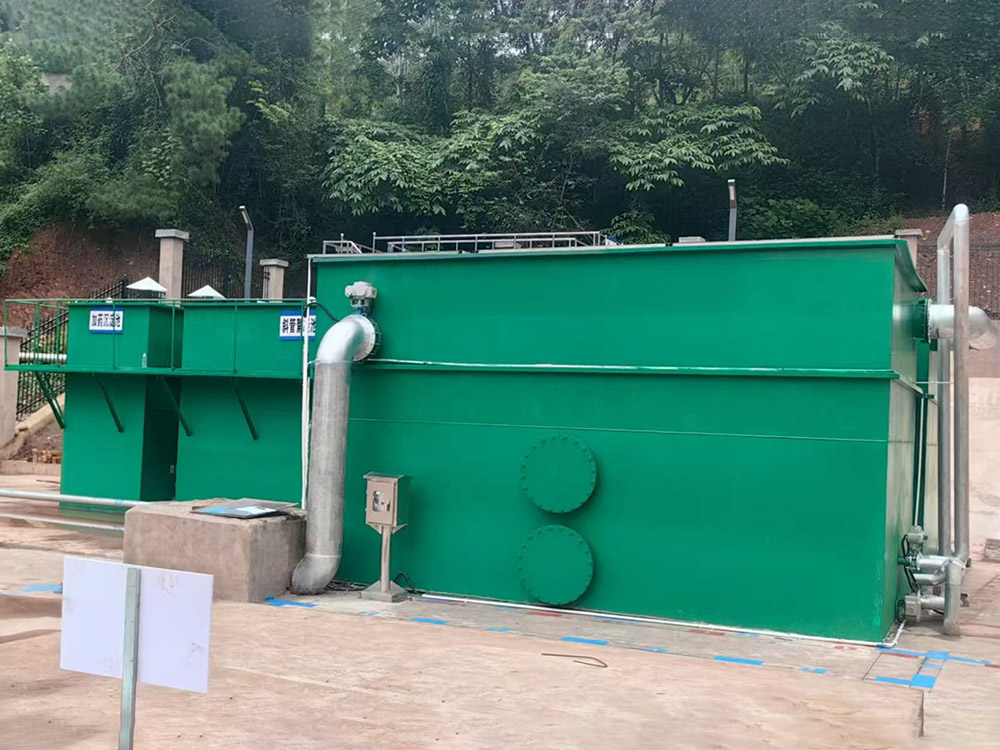
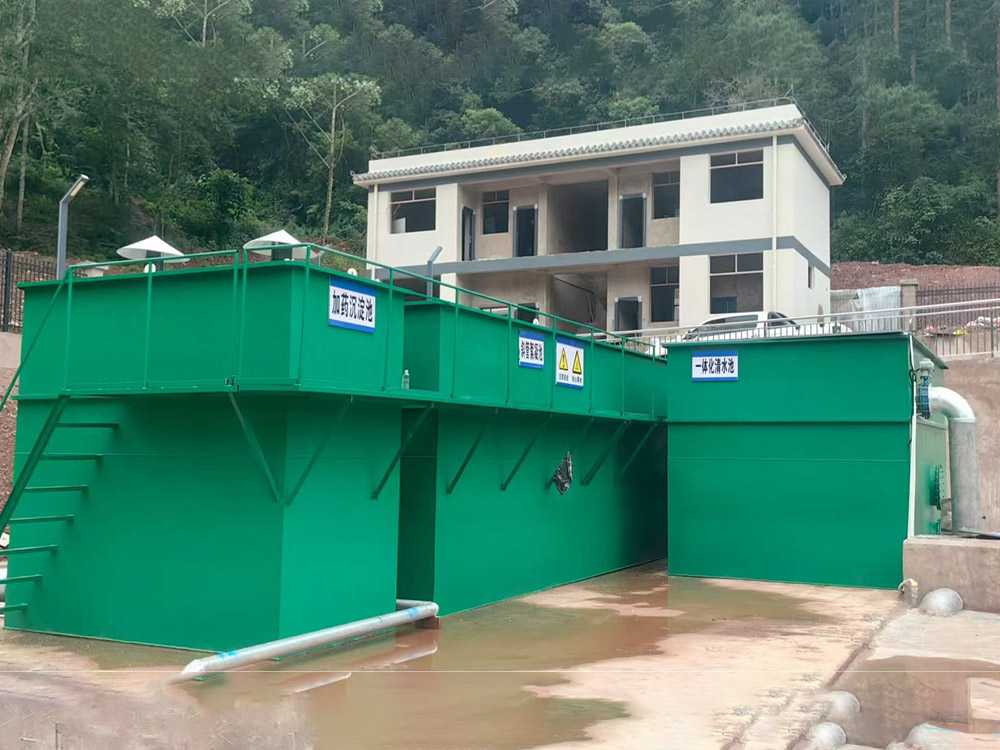
Integrated Water Purification Systems:
1. Centralised Water Supply in Urban and Rural Areas 🏘️
This is currently the largest and most stable market segment with a strong demand.
• Rural towns and villages: Rural centralised water supply stations and village water treatment plants. (Addressing issues such as yellowish water and impurities in rural well water)
• Small towns/communities: New residential estates and resettlement communities in urban-rural fringe areas, as well as regions not yet connected to the municipal water supply network.
• Characteristics: Water volume is relatively constant; water quality is primarily characterised by high turbidity; treated water must comply with the ‘Sanitary Standards for Drinking Water’.
2. Various ‘Water Intake Points’ and Natural Resource Utilisation 💧
• Areas surrounding reservoirs/lakes: Tourist attractions and farms requiring large volumes of water, drawing water directly from the lake for purification.
• Factories/cities along rivers: Factories and enterprises built along rivers use this as a backup water source or for pre-treatment of industrial water.
• Brackish water/high-fluoride water regions: In certain areas where groundwater contains excessive minerals (e.g. high-fluoride water in northern regions, brackish water in coastal areas), integrated water purification equipment is required to reduce turbidity and hardness.
3. High-end commercial and cultural tourism settings 🏖️
These clients have high standards regarding water taste and appearance, and are reluctant to undertake complex civil engineering works.
• High-end resorts/spa hotels: Pre-treatment for swimming pool water, bathing water and hotel drinking water.
• High-end villa complexes: A single set of equipment is installed to provide domestic water purification for the entire community of detached villas.
• Golf courses/clubs: Maintenance water requires high water purity standards.
4. Specialised Industrial and Manufacturing Settings 🏭
• Electronics/Electroplating/Precision Manufacturing: Cleaning of circuit boards and precision components requires ultrapure water or high-purity water.
• Textiles/Dyeing: Strict requirements regarding water pH and suspended solids to prevent uneven fabric dyeing.
• Food/Beverage: Purification of raw water for breweries, soft drink plants and mineral water bottling plants.
5. Special Emergency and Public Services 🚁
• Schools/Hospitals/Government Institutions: Core water supply equipment for drinking water stations within state schools and hospitals.
• Emergency Support: Drinking water purification following natural disasters; water sources for military field training exercises.
Translated with DeepL.com (free version)
CONTACT US
Weifang Kehang Environmental Protection Technology Co., Ltd
Headquarters Address: No. 18 Changqing Street, Junbukou Industrial Park, Weicheng District, Weifang City, Shandong Province
Headquarters phone number: 0086 18905367584/13869601795
Service Hotline: 0086-536-2259698/0536-8803882
National complaint hotline: 400-9700918

Scan to follow WeChat official account