
- Integrated sewag...
- Dental clinic se...
- Laboratory sewag...
- Waste gas treatm...
Integrated sewage treatment equipment
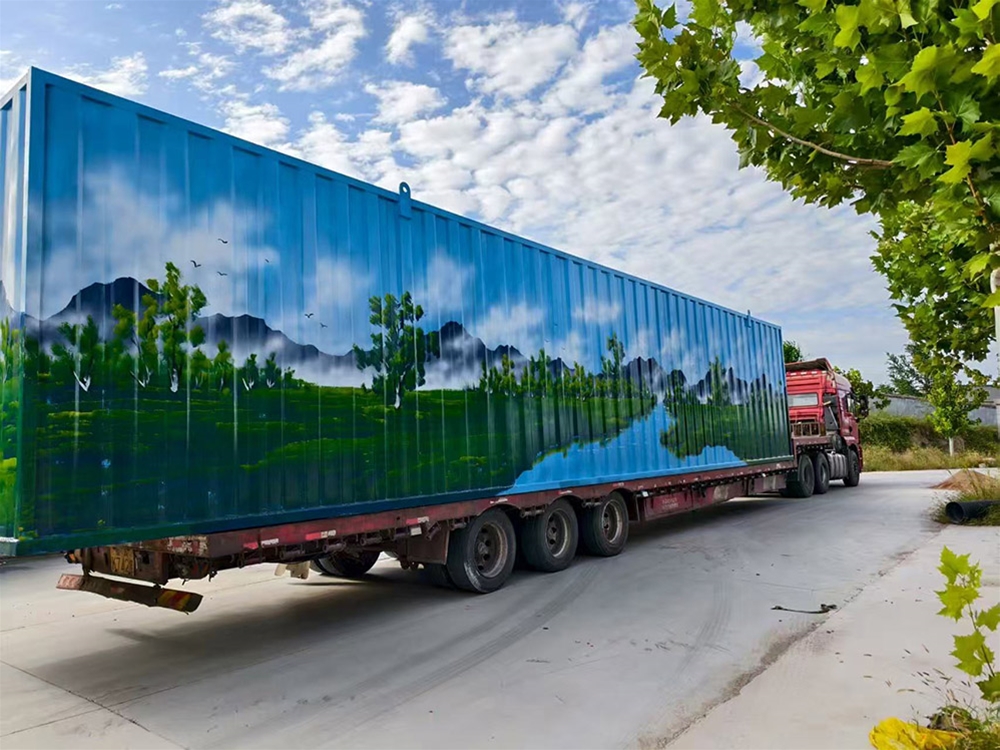
Details
Suitable applications for integrated wastewater treatment systems:
1. Decentralised, small-scale sites 🏡
These sites lack the conditions to construct large underground reinforced concrete tanks and represent the group with the greatest demand.
• Rural/township areas: township health centres, community health centres, rural schools, and rural resettlement sites.
• Tourist attractions/agritourism: Public toilets in tourist attractions, clusters of guesthouses, large-scale agritourism establishments, and hot spring resorts.
• Remote construction sites: Road and bridge construction teams, mining project sites, and temporary campsites.
Core Advantages and Features of Integrated Wastewater Treatment Equipment
I. Materials and Durability
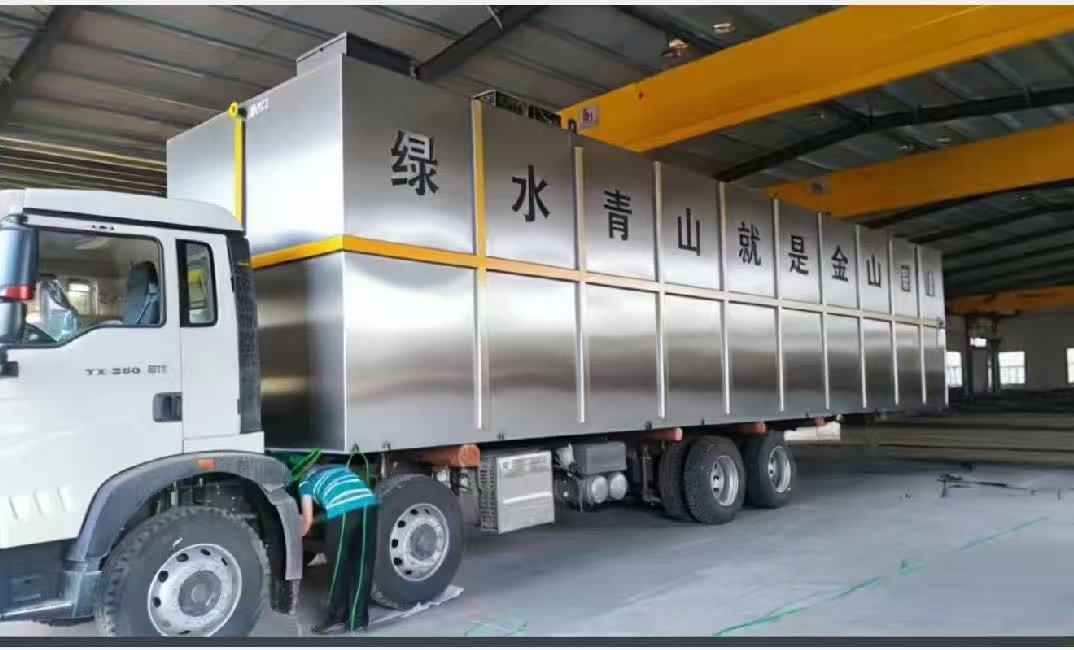
• High structural strength: Utilising a one-piece welded construction process, the equipment offers excellent resistance to pressure and deformation, ensuring stable operation and minimising issues such as leaks or cracks.
• Easy to Clean and Maintain: The smooth, seamless stainless steel surface prevents the accumulation of sludge and bacteria, making daily cleaning and maintenance more convenient and reducing operational costs.
II. Treatment Performance
• Highly Integrated: Combines multiple processes—including sedimentation, biological treatment and disinfection—into a single unit, occupying only 1/3 to 1/5 of the space required by traditional civil engineering solutions. The plug-and-play installation reduces construction time by 70%.
• Consistent Effluent Compliance: The modular design flexibly adapts to domestic sewage, medical wastewater and industrial effluent, ensuring effluent consistently meets Class 1A or higher standards of the ‘Standards for Pollutant Discharge from Urban Sewage Treatment Plants’.
• High Degree of Automation: Equipped with a PLC intelligent control system, it enables automatic chemical dosing, sludge discharge and online monitoring, allowing for unmanned operation and reducing labour costs.
III. Environmental and Economic Benefits
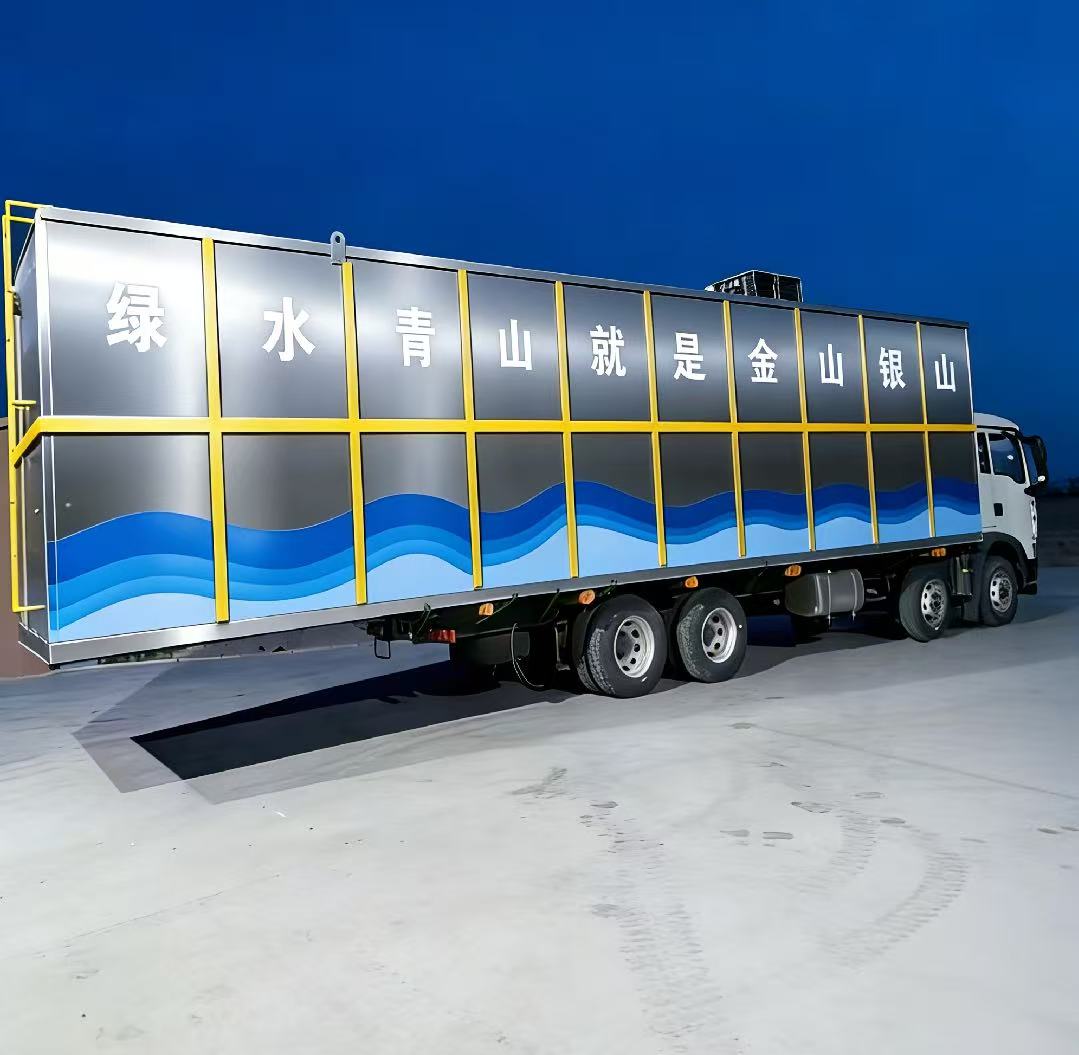
• Environmentally friendly: Fully enclosed structure prevents odour leakage; noise-reduction design minimises impact on the surrounding environment, aligning with the environmental philosophy that “lucid waters and lush mountains are invaluable assets”.
• Energy-saving and reduced consumption: Optimised hydraulic flow patterns and a high-efficiency aeration system reduce energy consumption by 20–30% compared to traditional equipment, resulting in lower long-term operating costs.
• High Mobility: Containerised modular design allows for easy relocation and reuse at any time, making it suitable for temporary projects or emergency remediation scenarios.
IV. Aesthetics and Brand Value
• High-Quality Industrial Design: Mirror/brushed finish combined with a water ripple coating, blending practicality with aesthetics, serving as a showcase for the plant’s corporate image.
CONTACT US
Weifang Kehang Environmental Protection Technology Co., Ltd
Headquarters Address: No. 18 Changqing Street, Junbukou Industrial Park, Weicheng District, Weifang City, Shandong Province
Headquarters phone number: 0086 18905367584/13869601795
Service Hotline: 0086-536-2259698/0536-8803882
National complaint hotline: 400-9700918

Scan to follow WeChat official account