
- Integrated sewag...
- Dental clinic se...
- Laboratory sewag...
- Waste gas treatm...
Integrated sewage treatment equipment
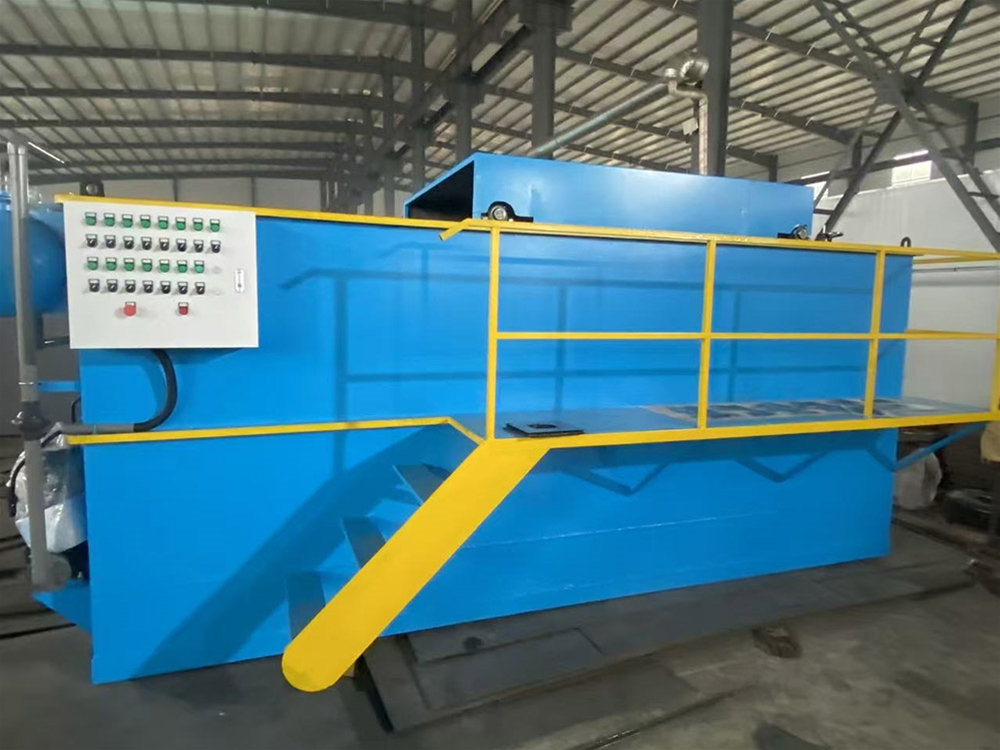
Details
Applications of Air Floatation Units:
Construction and Renovation Projects for Slaughterhouse Wastewater Treatment Plants
Slaughterhouse wastewater primarily originates from the slaughtering of livestock, poultry and fish. With the rise in living standards over recent decades, the slaughtering industry has expanded and developed to an unprecedented extent, resulting in a continuous increase in wastewater discharge. Statistics show that in China alone, the pig slaughtering sector comprises over 1,000 enterprises, with an annual total wastewater discharge of approximately 300 million cubic metres, accounting for about 6% of the country’s total industrial wastewater discharge.
1. Characteristics of the Wastewater: Slaughterhouse wastewater contains large quantities of blood, grease, hair, internal organs, undigested food, faeces and other contaminants. It possesses an unpleasant blood-red colour and a pungent, bloody odour, and contains pathogenic bacteria harmful to human health, such as E. coli and faecal streptococci. This wastewater is characterised by significant fluctuations in concentration and high levels of organic matter; direct discharge into the environment would cause severe water pollution.
The main components of the wastewater include animal blood, grease, faeces, viscera residues and inorganic salts. Key characteristics: (1) High COD, generally exceeding 2000 mg/L; (2) High SS, primarily containing large amounts of suspended solids such as pig bristles; (3) High ammonia nitrogen, as animal faecal water and animal proteins contain significant amounts of ammonia nitrogen; (4) High fat content, as the slaughtering process generates large quantities of animal fats.
2. Common Wastewater Treatment Processes In the treatment of slaughterhouse wastewater, aerobic treatment, anaerobic treatment and chemical flocculation each have their own advantages and disadvantages. Generally, when treating lower-concentration slaughterhouse wastewater (CODcr ≤ 1000 mg/L), biological treatment can be employed directly. This shortens the treatment process and reduces capital costs whilst ensuring treatment efficacy; When treating slaughterhouse wastewater with higher concentrations (CODcr > 1000 mg/L), the combined use of several processes can ensure that the treated effluent meets regulatory standards.
For example, the capital investment for a hydrolysis-aerobic biological treatment process is only 70% of that for an activated sludge process of the same scale, with a 20% reduction in land area and a 42% reduction in treatment costs. Combination processes currently in use in China include: acidification-SBR, acidification-AB, acidification-biological contact oxidation, UASB-AF, anaerobic-filtration, jet aeration-biological contact oxidation, anaerobic-anoxic-aerobic pond, anoxic-AB, and chemical coagulation-biological treatment. The optimised combination of treatment processes allows each to capitalise on its strengths and mitigate its weaknesses, thereby ensuring the quality of the effluent.
Treatment Methods, Common Processes, Treatment Targets, Characteristics
Biological Treatment
Aerobic, SBR, AB process, BOD₅, COD, SS, P
Simple process, short cycle time, space-saving
Biofilm method, effective denitrification, shock load resistance, high biomass concentration, convenient operation and management, anaerobic
Anaerobic Sequencing Batch Reactor (SBR) systems, High-Efficiency Anaerobic Reactors (HEAR), high organic loading, SS
Simple structure, energy-efficient, effective removal of organic matter. Slow reaction rate, high temperature requirements
Chemical treatment, hydrolysis, fats and oils, used as pre-treatment. Difficult to operate and maintain
Coagulation and sedimentation, removal of some dissolved pollutants, rapid treatment time
Physical methods, dissolved air flotation (DAF), removal of fine suspended solids, difficult to operate and maintain
Natural ecological treatment, stabilisation of sugars, land treatment, BOD, nutrients
Economical and environmentally friendly. Requires pre-treatment; odours may be present during operation
3. Advantages of Kecheng Yuanhang
Kecheng Yuanhang Engineering is a professional third-party environmental engineering and operations service provider, offering a seamless service from technical consultancy to scheme design, on-site construction and commissioning, and equipment production and development. We assist enterprises in maintaining a positive corporate image, controlling costs, and reducing the likelihood of environmental non-compliance.
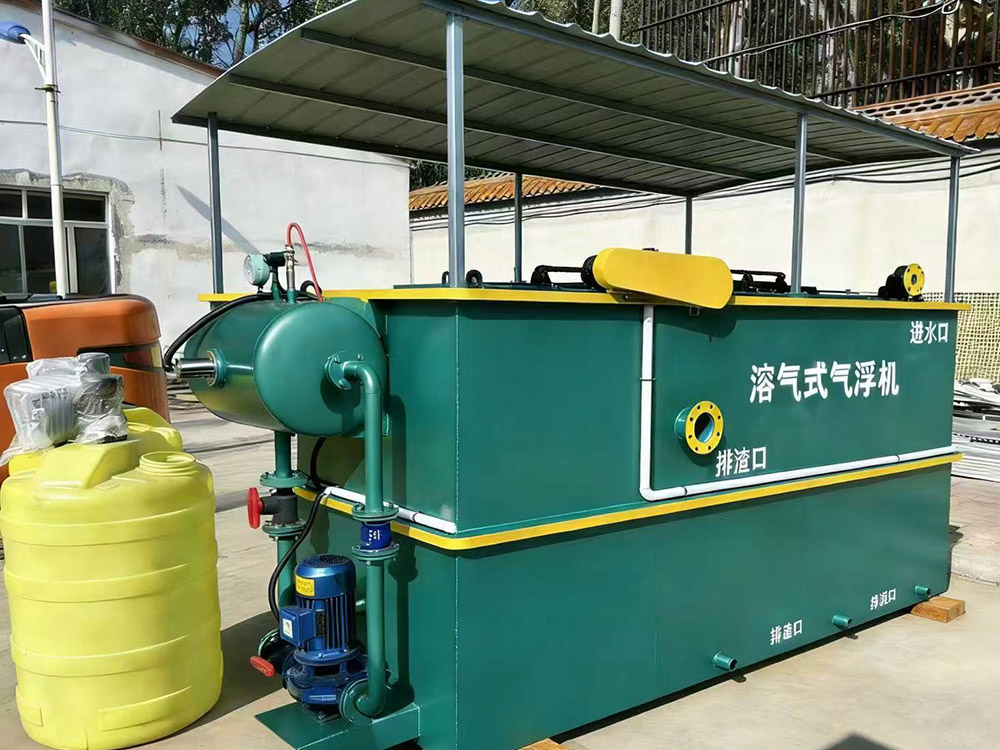
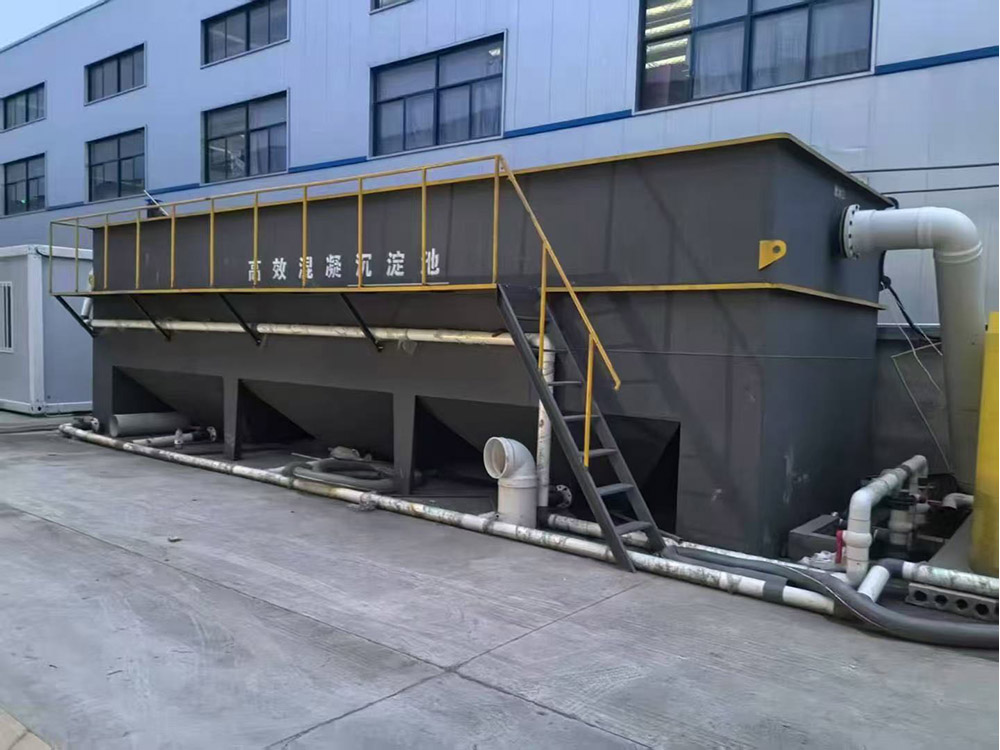
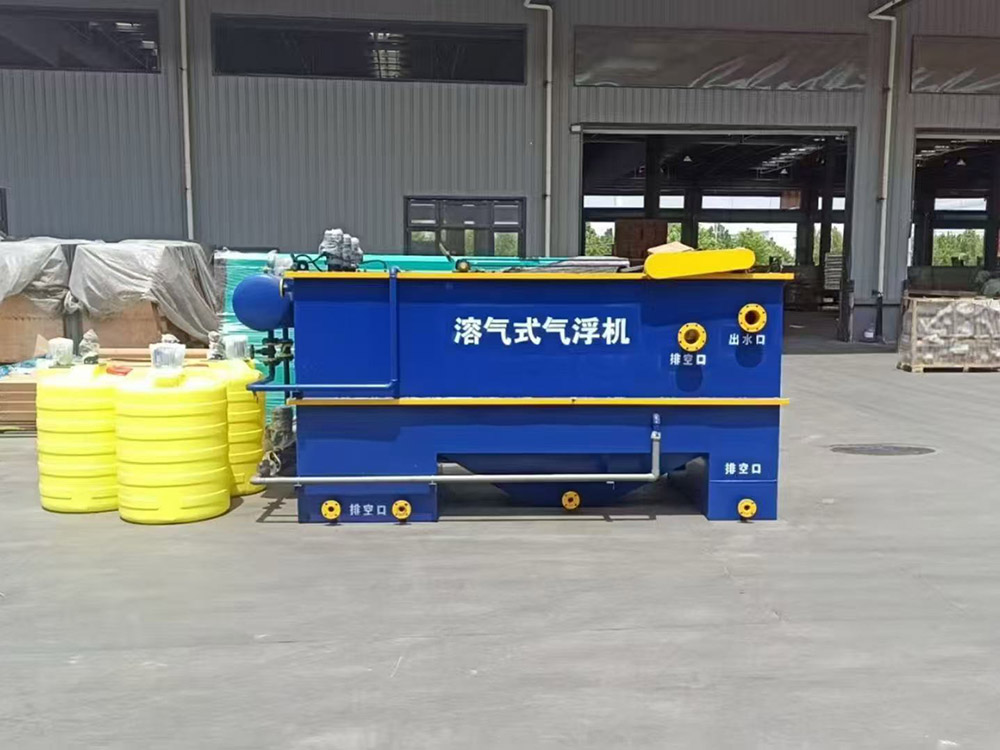
Integrated air flotation unit
CONTACT US
Weifang Kehang Environmental Protection Technology Co., Ltd
Headquarters Address: No. 18 Changqing Street, Junbukou Industrial Park, Weicheng District, Weifang City, Shandong Province
Headquarters phone number: 0086 18905367584/13869601795
Service Hotline: 0086-536-2259698/0536-8803882
National complaint hotline: 400-9700918

Scan to follow WeChat official account