
- Integrated sewag...
- Dental clinic se...
- Laboratory sewag...
- Waste gas treatm...
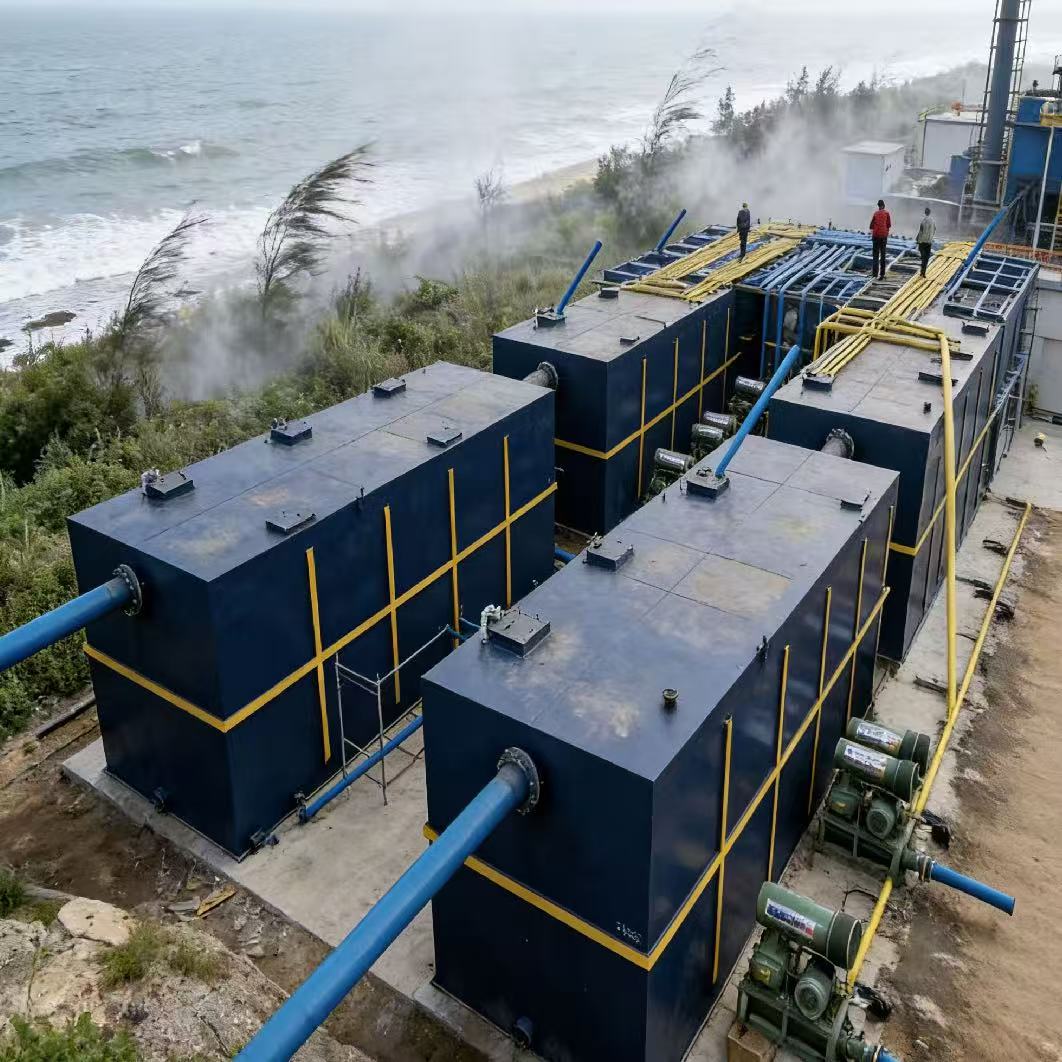
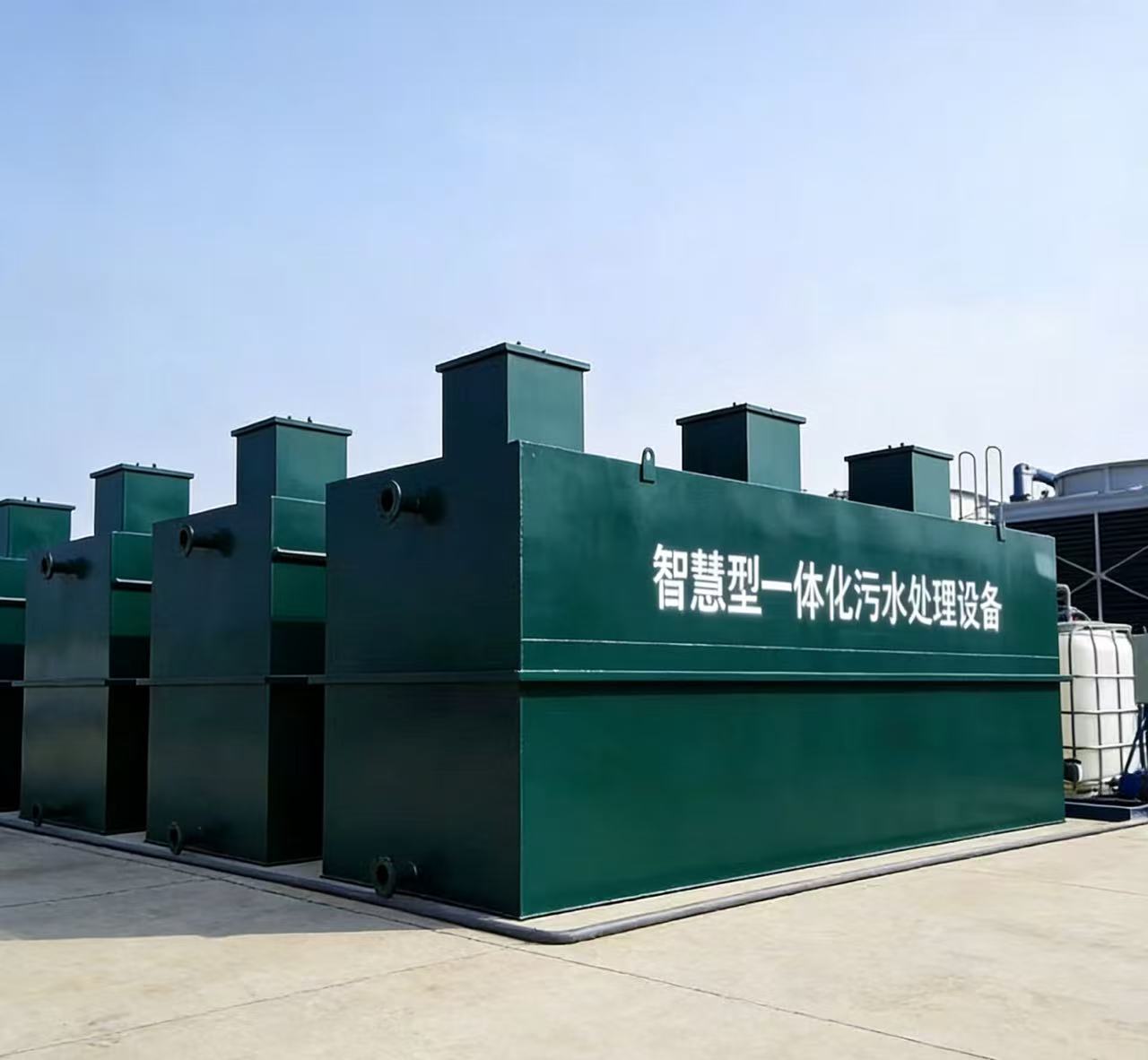
Integrated sewage treatment equipment
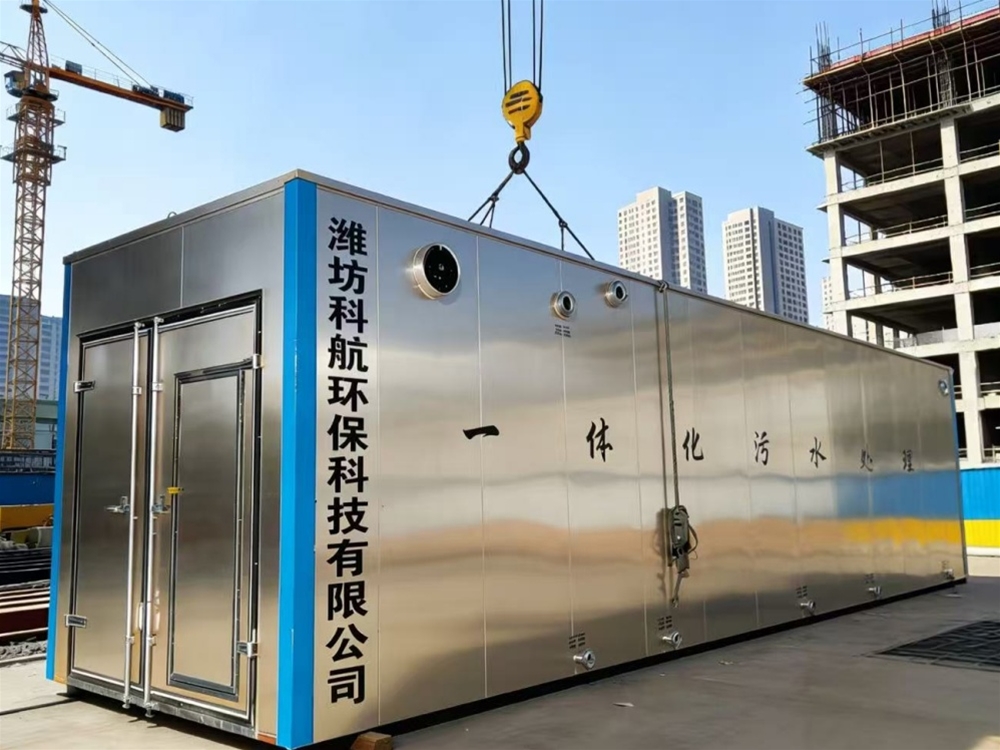
Integrated above ground sewage treatment equipment for domestic sewage

Details
Project Overview
The primary processed material is sheepskin, with a daily wastewater volume of 1,500–2,300 m³. Pollutants include sulphides, chromium, COD and nitrogen. The on-site process comprises pre-treatment plus biological treatment, with separate treatment for chromium- and sulphur-containing wastewater. Due to inadequate maintenance of the on-site biological treatment system and equipment, the daily treatment capacity was only around 1,200 m³, and the total nitrogen levels in the effluent fluctuated significantly.
In October 2023, a contract for biochemical commissioning was signed with our company. Following two months of commissioning, the total nitrogen in the effluent stabilised at approximately 40% of the limit. In February 2024, due to the client’s increased production and volume, the daily wastewater treatment requirement rose to 2,200 m³. Following discussions with our company, a further technical service contract was signed to assist the client in improving the treatment plant’s processes and daily supervision. A subsequent operations contract will be signed to continue safeguarding the client’s safe production operations.
Project Details
The on-site treatment plant’s biological system employs a two-stage AO process. Due to issues with chemical dosing ratios and daily monitoring during the initial phase, the primary aerobic tank suffered from severe anaerobic conditions, whilst the secondary anoxic and aerobic tanks had extremely low organic matter content, preventing normal microbial activity—in particular, the denitrification process had virtually ceased.
Following an on-site assessment, our technical team devised the following commissioning plan for the client: biological activators (denitrifying bacteria and activators) + high-efficiency biomass carbon source (a carbon source developed specifically for use with microbial agents) + a scientific sludge replacement plan (achieving maximum acclimatisation with minimal sludge replenishment). After two months of commissioning, the client’s biological treatment system returned to normal operation. with the sludge in the primary aerobic tank changing from black to yellow, a pollutant removal rate of 40% achieved, and a certain degree of shock resistance established. The denitrification capacity of the secondary anoxic tank increased by 60%, and the overall organic matter content of the biological treatment system rose from 25% to 36%.
CONTACT US
Weifang Kehang Environmental Protection Technology Co., Ltd
Headquarters Address: No. 18 Changqing Street, Junbukou Industrial Park, Weicheng District, Weifang City, Shandong Province
Headquarters phone number: 0086 18905367584/13869601795
Service Hotline: 0086-536-2259698/0536-8803882
National complaint hotline: 400-9700918
Scan to follow WeChat official account